
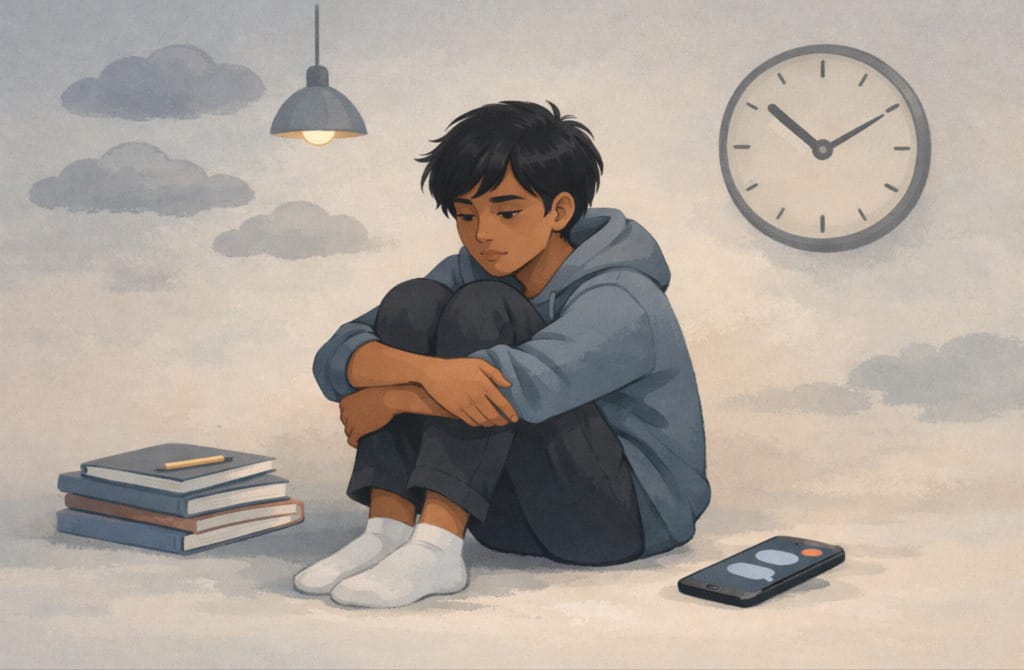
Is your once chatty teen suddenly withdrawn? Maybe their door is always shut, and your conversations feel one-sided as they’re glued to their phone. You wonder, “Is this just normal teenage moodiness, or something more?”
The signs of depression in teens can be tricky to spot. We often think of it as constant sadness and tears, but it can also show up as irritability, disinterest, and isolation. You’re not alone if you’re having trouble seeing the signs. This article can help you navigate these confusing changes and get the support your teen might need.
7 Signs of Depression in Teens
Being a teenager is tough. Their bodies are changing in confusing ways, friendships and relationships can get complicated, and all these new emotions can be overwhelming. It’s enough to make anyone feel lost.
If you’re worried your teen might be going through something more than just typical teenage angst, here are 7 signs of depression in teens to watch for:
- They are no longer a social butterfly: Your teen has become quite introverted. They prefer to be in their room, with their curtains shut, and curled up in their bed, constantly on their phone. They don’t like going out to places with you anymore. You may brush it aside thinking it’s just your teen wanting their space. But if your teen is constantly withdrawn, especially from the activities they once loved, it could be a sign of depression.
- They are experiencing changes in their eating and sleep habits: You know how teens are known for their erratic sleep schedules. But this time, you notice it is different. You notice your teen sleeps more than usual, or they struggle to fall asleep. They also begin to show such changes in how they eat. They may avoid eating, or they may eat more than they do. Such dramatic shifts in their eating and sleep habits might be a sign of depression.
- They are more forgetful than usual: Your usually witty, spontaneous teenager now seems zoned out and easily distracted. They feel like focusing is a struggle and that they are finding it hard to study. Difficulty focusing and remembering things can be a sign of depression in teens.
- They have trouble managing their emotions: Teens are known for their mood swings, but what if irritability and frustration become the norm? Maybe small things set them off, or they seem constantly down. Depression can manifest as anger or agitation, leaving everyone around them confused. Remember, their outbursts might be a cry for help hidden in frustration.
- They are taking more risks than usual: Teens are naturally prone to take risks. But have you been noticing a sudden change in this behavior too? You notice that the risks they take have suddenly become more dangerous. Sometimes, depression can lead teens to numb their emotions (because it’s all too much for them,) and act impulsively in unhealthy ways.
- They are engaging in substance abuse: Another, often unexplored, sign of depression in teens is if they are suddenly engaging in substance abuse. Substance abuse is not always about peer pressure. When teens are depressed, they go through a rollercoaster of emotions, and substance abuse in such cases becomes an unhealthy way to manage and cope with their emotions.
- They are a little too self-critical: It is quite normal for teens to be a little hard on themselves. But you begin to notice that their self-criticism is getting a little out of hand. They constantly compare themselves to others, they put themselves down, and they obsess over their perceived flaws. One of the signs of depression in teens is a decline in their self-esteem. Therefore, if you hear constant self-critical comments- like there is always a harsh inner critic within, it could be a sign of depression.
- They seem hopeless about the future: This might be the toughest one to talk about, but it is important. Has your teen written or said anything about feeling hopeless or wanting to disappear? Do they talk about death or suicide? If you see any signs of suicidal ideation, take immediate action and seek professional help. There is always help available, and these thoughts don’t have to become reality.
You Have Noticed The Signs, But What Do You Do Now?
It might be difficult to accept that your teen might be struggling with signs of depression. As a parent, you may feel helpless and unsure about what to do next. The good news is there are many ways to help your child feel better.
Here’s the thing: recognizing the signs of depression in teens can be tricky. They might not express themselves in the way you expect. While it’s true teens often struggle to communicate their emotions, sometimes the silence itself can be a sign. They might be grappling with numbness, sadness, and emptiness, but lack the words to describe it.
That’s where seeking professional help from a therapist comes in. Our therapists here at Innerspace are trained to help teens navigate the complexities of depression and develop healthy coping mechanisms. You may feel like you’re speaking different languages with your teen, but a therapist can act as a bridge, helping you understand your teen’s experience and vice versa. Here are some things you can do if you spot these signs of depression in your teenager:
- Speak to your teen about seeking professional help together. teens today are much more in touch with the mental health space and more open to therapy than you might think.
- If your teen is unwilling to take help, speak to a therapist yourself. She can help you with your challenges and might suggest effective ways of reaching out to your teen.
Overall, don’t give up on your child, even if they resist all your attempts at help. Let them know you feel for them, you are concerned, and are ready to help wherever and however needed. Just knowing you have their back, is very relieving to a teenager, even though they may not show it.
Remember, you’re not alone in this. There is no shame in seeking professional help, and it’s never too late to make a positive change. In fact, early intervention is crucial for successful treatment of depression in teens. Taking this step can be the first step towards a brighter future for your teen.
About the Author
This article was written by Parvathi Ganesan, Counselor at Inner Space. This article was consulted & approved by professional therapists practicing online therapy and counseling.